Retro Cassette Embroidery Design
As an embroidery designer and product reviewer, I’ve seen my fair share of digital designs. But when I came across the Retro Cassette graphic, I knew it had potential for a variety of projects. This vintage-inspired design is more than just a nostalgic nod—it’s a versatile asset for anyone looking to add a retro flair to their handmade or commercial work.
The First Impression: Nostalgia Meets Simplicity
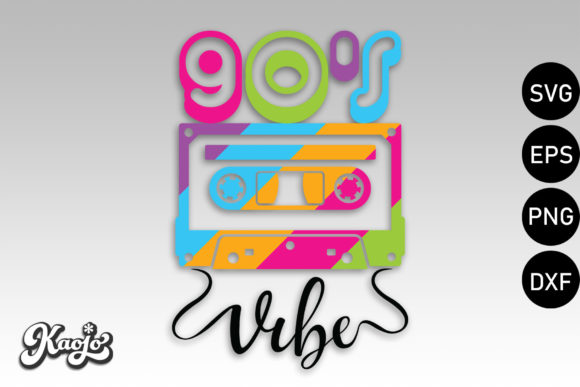
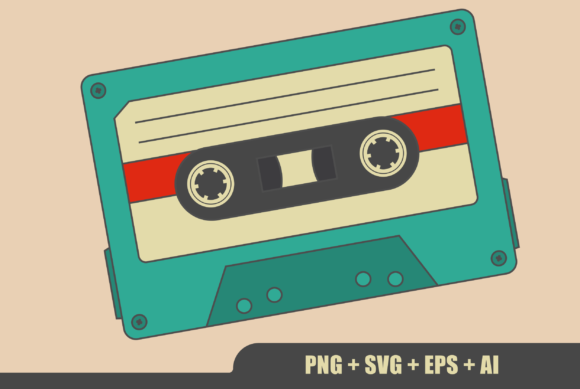
From the moment I opened the Retro Cassette file, I was struck by its clean lines and classic aesthetic. The design captures the essence of a cassette tape with a level of detail that feels authentic without being overly complex. It’s the kind of graphic that immediately evokes memories of mixtapes, 80s music, and retro fashion. The layout is straightforward, making it easy to adapt for different applications.
The visual personality of Retro Cassette leans toward minimalism with a touch of nostalgia. It’s not too busy, which means it can work well on a range of fabrics and garment types. Whether you’re creating a custom tote bag or a baby onesie, this design has the right balance of style and simplicity to stand out without overwhelming the overall look.
Real-World Use: From Tote Bags to Sweatshirts
I tested the Retro Cassette design on a few different projects to see how it would perform in real embroidery situations. On a cotton tote bag, it looked great—clean and professional. The design translated well into both satin stitch and fill stitch, giving it a polished finish that would appeal to customers looking for a vintage feel.
When I tried it on a sweatshirt, the design held up nicely, especially with a proper stabilizer. The contrast between the thread color and the fabric was key here. On darker fabrics, I used a lighter thread to ensure the design stood out, while on lighter backgrounds, a darker thread worked better. The design’s simplicity made it easy to adjust for different color schemes.
For baby items, like a onesie or a blanket, the Retro Cassette design added a unique touch that felt both playful and sophisticated. It wasn’t too intricate, which is important for delicate fabrics and small hoop sizes. I also saw potential for using it as an embroidered patch on jackets or backpacks—something that could be a hit at craft fairs or online shops.
Where to Be Careful: Fabric and Detail Considerations
While Retro Cassette is a strong design, there are some situations where it might not perform as well. If you’re working with small hoop sizes, the design may require some adjustments to fit properly. Thin or stretchy fabrics can also be tricky, as they may cause the stitches to pucker or distort.
On textured or dark fabrics, the design might lose some of its clarity. I recommend testing it on different materials before committing to a larger project. For curved surfaces like caps or hats, the design might need some tweaking to ensure it sits correctly on the curve. Tiny lettering or detailed corners could also be a challenge if the stitch density isn’t right.
Another thing to consider is the design’s use on layered garments or products that will be washed frequently. The Retro Cassette design is likely to hold up well, but it’s always a good idea to use a high-quality stabilizer and ensure the stitches are secure.
Impact on Visual Appeal and Customer Perception
The Retro Cassette design adds a unique visual element that can elevate the value of any handmade product. Its vintage vibe makes it ideal for personalized gifts, holiday items, or boutique merchandise. Customers often gravitate toward designs that feel meaningful or nostalgic, and this one checks that box.
In terms of stitching clarity, the design is well-suited for most embroidery machines. The layout allows for even stitch distribution, which helps maintain the integrity of the design. For commercial embroidery projects, this means less risk of errors and a more professional finished product.
As an Etsy seller or small shop owner, using Retro Cassette can help build brand consistency. It’s a design that can be adapted for multiple products, from apparel to home decor, creating a cohesive look across your offerings. It also enhances the giftability of your items, making them more appealing for occasions like birthdays, weddings, or holidays.
Practical Designer Notes: What to Check Before Using
Before jumping into a project with Retro Cassette, I recommend doing a few quick tests. Start by running the design on scrap fabric to see how it looks and feels. Pay attention to the stitch density—too dense, and it might cause the fabric to pucker; too light, and it might not hold up over time.
Make sure the hoop size you’re using is appropriate for the design. If it’s too big, you might end up with uneven stitching. Also, check the thread color contrast against the fabric you plan to use. A mismatch can make the design look dull or unprofessional.
If you’re planning to sell finished products or digital files, confirm the licensing terms. While the Retro Cassette design seems flexible based on the description, it’s always best to double-check before using it commercially. And don’t forget to test the design in black and white mockups—it can reveal issues you might not notice in color.
Final Thoughts: A Versatile Addition to Your Design Library
Retro Cassette is a solid choice for embroidery designers, crafters, and small business owners looking for a vintage-inspired graphic. It’s practical, adaptable, and visually appealing, making it a great fit for a wide range of projects. Whether you’re creating custom apparel, personalized gifts, or commercial embroidery pieces, this design has the potential to enhance your work and attract a loyal customer base.
With a little care and testing, Retro Cassette can become a staple in your design arsenal. It’s the kind of graphic that not only looks good but also stands up to real-world use, making it a valuable addition to any embroidery project.