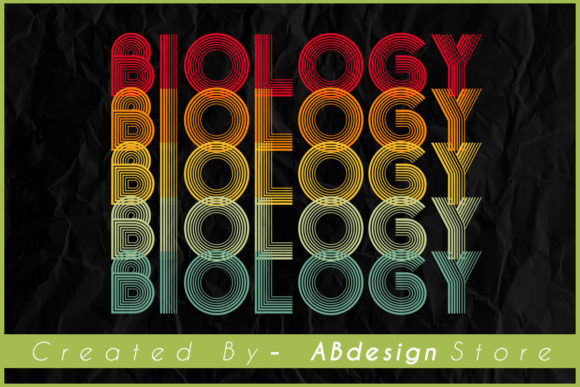
Vintage Retro Biology Sublimation Design
As an embroidery designer and product reviewer, I’ve evaluated countless digital designs for real-world use. The Vintage Retro Biology Sublimation Design caught my attention not just for its unique theme but for how it could translate into a variety of handmade and commercial projects. Let’s dive into what this design offers and how it might fit into your creative workflow.
First Impressions: A Nostalgic Fusion of Science and Style
The Vintage Retro Biology Sublimation Design immediately evokes a sense of nostalgia. It blends scientific elements with a retro aesthetic, creating a visual that feels both educational and artistic. The layout is clean, with a central biology-related icon—perhaps a DNA helix or a microscope—surrounded by vintage-style borders and typography. The detail level is moderate, which makes it versatile for different embroidery techniques.
This design seems to belong in a custom apparel project, like a tote bag design or sweatshirt embroidery. Its retro vibe pairs well with vintage-inspired clothing lines, making it ideal for small business owners looking to create a cohesive brand aesthetic. It also has potential as a baby embroidery piece, where the soft, classic look can appeal to parents who appreciate thoughtful design.
Real-World Embroidery Performance
When considering the Vintage Retro Biology Sublimation Design for real-life embroidery, several factors come into play. The design’s size and complexity make it suitable for medium-sized hoop setups. If you’re working on a custom apparel piece, such as a tote bag design or a sweatshirt embroidery, the file dimensions should be manageable, provided you have a hoop large enough to accommodate the layout.
For smaller items like embroidered patches or caps, the design may require some adjustments. The corners and edges need careful handling to maintain clarity, especially if the design includes intricate details. Satin stitch and fill stitch work well for the main elements, while running stitch could add texture to the background or borders.
Thread color contrast is another consideration. The design’s black-and-white or monochrome style may benefit from a high-contrast thread color, depending on the fabric. Testing on scrap fabric first is always a good idea to ensure the design looks as intended when stitched.
Where to Use With Caution
While the Vintage Retro Biology Sublimation Design is visually appealing, there are situations where it might not perform as well. For instance, on textured fabrics or thin, stretchy materials, the design could lose some definition. In such cases, using a proper stabilizer is essential to maintain stitch quality and prevent distortion.
On dark fabric backgrounds, the design’s clarity might be compromised unless the thread color is adjusted accordingly. Similarly, if you're working on layered garments or curved surfaces like caps, the design’s layout may need tweaking to fit the shape without distorting the original artwork.
Small details, such as tiny lettering or dense stitch areas, could become problematic if the design isn’t optimized for the machine. Always review the stitch density and ensure the design is compatible with your embroidery machine’s capabilities before starting a larger project.
Impact on Visual Appeal and Customer Perception
The Vintage Retro Biology Sublimation Design adds a unique touch to any handmade product. Its retro feel can elevate the perceived value of a custom apparel item, making it more attractive to customers looking for something distinctive. As an Etsy seller or small shop owner, this design could help differentiate your offerings in a competitive market.
When used in personalized gifts or holiday embroidery projects, the design’s nostalgic charm can resonate with buyers. It’s also a great option for boutique branding, where consistency in design and theme is key. Whether it’s a baby embroidery piece or a wedding gift, the design’s visual personality can enhance the overall presentation and professionalism of the finished product.
Practical Designer Notes
Before finalizing the Vintage Retro Biology Sublimation Design for your next project, here are a few practical tips:
- Test on scrap fabric: Always try the design on a similar material to see how it looks when stitched.
- Check thread color contrast: Ensure the thread color complements the fabric and enhances the design’s visibility.
- Review stitch density: Confirm that the design is not too dense, which could cause puckering or distortion.
- Confirm hoop size: Make sure your hoop is large enough to accommodate the design without cropping or resizing.
- Inspect small details: Pay attention to corners, lettering, and intricate elements to ensure they remain clear after stitching.
- Test in black and white mockups: This helps visualize how the design will look on different fabric colors.
- Compare light and dark backgrounds: Adjust the design as needed for optimal visibility on various fabric types.
- Use proper stabilizer: This is crucial for maintaining stitch quality, especially on delicate or stretchy fabrics.
- Check licensing: Ensure the design is suitable for both personal and commercial use, and confirm any restrictions before selling finished items or digital products.
Conclusion: A Versatile Design for Creative Projects
The Vintage Retro Biology Sublimation Design is a solid choice for embroidery designers, crafters, and small business owners looking for a unique, nostalgic theme. Its clean layout and moderate detail level make it adaptable for a range of applications, from custom apparel to personalized gifts.
While it performs well in most scenarios, careful attention to fabric type, hoop size, and stitch density is necessary to achieve the best results. By following practical design tips and testing the design before full production, you can ensure that the Vintage Retro Biology Sublimation Design becomes a valuable addition to your embroidery project or digital product collection.