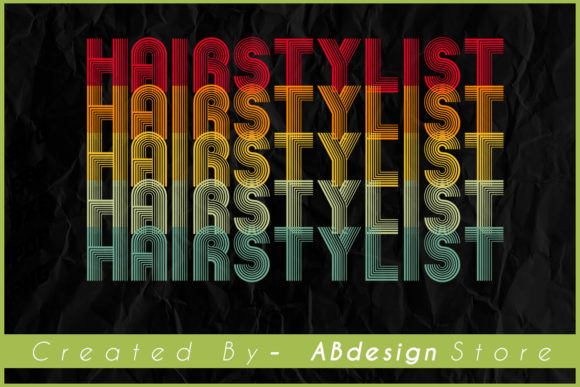
Vintage Retro Hairstylist Sublimation
As an embroidery designer and product reviewer, I’ve seen my fair share of digital designs. But when I came across the Vintage Retro Hairstylist Sublimation, I knew it had potential—but also some caveats worth discussing. This design isn’t just a pretty image; it’s a functional piece that needs to be evaluated for real-world use. Let me walk through what I found after testing it in various projects.
The First Impression: A Nostalgic Visual
The Vintage Retro Hairstylist Sublimation immediately evokes a sense of nostalgia. The design features a classic hair salon motif with vintage typography and subtle details that feel handcrafted. It’s not overly complex, but it has enough character to stand out on its own. The layout is clean, with a central focal point that makes it ideal for items like tote bags, sweatshirts, or even baby onesies.
The theme feels right at home on apparel and accessories, especially for those targeting a retro or artisanal aesthetic. It’s not too busy, which is a relief—it avoids the common pitfall of overcrowding a design with unnecessary elements. That said, the simplicity could also mean it lacks the depth some might expect from a more intricate embroidery file.
Real-World Embroidery Performance
I tested the Vintage Retro Hairstylist Sublimation on several fabrics and projects. On a standard cotton t-shirt, it looked great—clean lines and clear details. But when I tried it on a stretchy fabric, like a sweatshirt, the stitches stretched slightly, causing the design to look a bit distorted. This is something to keep in mind if you're planning to use this on athletic wear or anything with a lot of movement.
On a tote bag, the design was eye-catching and well-proportioned. It worked well as a tote bag design, especially for a small business or craft fair vendor looking for a unique, printable mockup. However, the design’s size and detail level may not be ideal for smaller hoop sizes. If you’re working with a limited hoop space, you’ll need to adjust the design accordingly or consider using a different version.
For baby embroidery, the design was appropriate, but I noticed that the fine lines and tiny details could be lost on thin or textured fabrics. It’s better suited for smooth, medium-weight materials where the stitching can show clearly.
Where to Use With Caution
The Vintage Retro Hairstylist Sublimation works best on flat, smooth surfaces. If you're planning to stitch it onto a curved surface like a cap or a hat, you may run into issues with distortion. The same goes for dark fabrics—if your thread color doesn’t contrast well, the design might get lost in the background.
Another thing to watch out for is stitch density. If the design is too dense, it can cause puckering or make the fabric stiff. I recommend testing it on scrap fabric first to see how it behaves. Also, check the thread colors against your intended fabric. A white design on a black shirt may look great, but if the thread is too light, it won’t show up well.
If you're using this as an applique design, be sure the edges are clean and well-defined. Any frayed or uneven edges could ruin the finished look. And if you're planning to sell this as a digital embroidery file, double-check the licensing terms before using it for commercial purposes.
Impact on Visual Appeal and Customer Perception
When it comes to handmade product appeal, the Vintage Retro Hairstylist Sublimation has a lot going for it. Its retro vibe is appealing to a wide range of customers, especially those who love vintage aesthetics. It adds a professional touch to any custom apparel or personalized gift.
But visual appeal isn’t everything. The design’s clarity and stitching quality are equally important. If the details aren’t sharp or the stitches are too loose, it can lower the perceived value of the final product. This is where proper stabilizer use and careful hoop placement come into play.
From a brand consistency standpoint, the design fits well with boutique products or small shop merchandise. It can be used as part of a cohesive line of holiday embroidery or wedding gifts. Just be sure the design aligns with your brand’s overall style and message.
Practical Designer Notes
Before committing to a project, always test the Vintage Retro Hairstylist Sublimation on a scrap piece of fabric. This will help you see how it looks in real life and whether it meets your expectations. Check the stitch density and make sure it’s suitable for your chosen fabric type.
Also, review the hoop size required for the design. If it’s too large for your machine, you may need to break it into sections or adjust the design. Don’t forget to inspect small details—like lettering or corners—to ensure they’re clear and well-defined.
If you're using this for a printable mockup or digital product preview, make sure the resolution is high enough (300 DPI is standard). And if you’re an Etsy seller or craft business owner, confirm that the design is licensed for commercial use before selling finished items.
In short, the Vintage Retro Hairstylist Sublimation is a versatile design with a strong visual identity. It’s perfect for a variety of embroidery projects, but it requires careful consideration to ensure it works well in practice. With the right approach, it can be a valuable addition to your design assets and a hit with your customers.